Home Loans

Eight ways to finance a home, explained in plain English. Compare them side by side, see what each one asks of you, and get a straight answer from a loan officer when you want one.

Get pre-qualified Estimate a payment

Which loan fits you?

Two quick questions. Your answers stay on this page; nothing is sent anywhere.

What do you want to do?
Anything that applies? (optional)

A starting point, not a decision. Talk to a loan officer and we will run the numbers on each.

Good places to start

Ranked by how well each program matches what you picked.

Licensed in Florida, Tennessee, Georgia and Colorado. NMLS 222883.

Every loan program we offer

Each card says who the loan is for, what it asks for up front and how the rate behaves. Open one for the full picture.

  • Conventional: not backed by a government agency; the most common route when your credit and savings are in good shape.
  • Government-backed: insured or guaranteed by FHA, the VA or USDA, which lets us say yes with less down.
  • Home equity: for homeowners borrowing against what they already own.

Conventional

30 Year Fixed Rate Mortgage

The lowest fixed monthly payment, and the loan most first-time buyers start with.

Your rate and your principal-and-interest payment never change for 30 years. Spreading the loan over the longest term keeps the payment low, and you can always pay extra when you want to get ahead.

Down payment
As little as 3%; 5% is typical
Rate
Fixed for the life of the loan
Term
30 years
Mortgage insurance
Until you reach 20% equity
About 30-year fixed loans

Conventional

15 Year Fixed Rate Mortgage

Owning your home outright in half the time, if the higher payment fits your budget.

Same certainty as a 30-year loan, with a lower interest rate and a much lower total interest cost. The trade-off is a higher monthly payment, so it suits borrowers with room in their budget or a refinance later in life.

Down payment
As little as 3%; 5% is typical
Rate
Fixed, usually lower than a 30-year
Term
15 years
Mortgage insurance
Until you reach 20% equity
About 15-year fixed loans

Conventional

Adjustable Rate Mortgage

A lower rate for the first several years when you expect to move or refinance before it adjusts.

An ARM starts with a fixed rate that is usually below a 30-year fixed, then adjusts with the market at set intervals after the introductory period ends. Most borrowers choose one for the lower initial payment and refinance or sell before the first adjustment.

Down payment
5% is typical
Rate
Fixed for an intro period, then adjusts
Term
30 years, with a 5-, 7- or 10-year fixed period
Mortgage insurance
Until you reach 20% equity
About ARM loans

Government-backed

FHA Loans

Buyers with a smaller down payment, a lighter credit history or more debt than a conventional loan allows.

Insured by the Federal Housing Administration, which lets us approve borrowers a conventional loan would turn away. Works for single-family homes, condos, multi-unit homes and some manufactured homes.

Down payment
3.5% minimum
Rate
Fixed or adjustable
Term
15 or 30 years
Mortgage insurance
Upfront and monthly premium
About FHA loans

Government-backed

VA Loans

Veterans, active-duty service members and eligible surviving spouses.

Guaranteed by the U.S. Department of Veterans Affairs, so you can buy with no down payment and no monthly mortgage insurance. Competitive rates, lower closing costs and no prepayment penalty, and your entitlement can be reused on a future home.

Down payment
None required
Rate
Fixed or adjustable
Term
15 or 30 years
Mortgage insurance
None; a one-time VA funding fee instead
About VA loans

Government-backed

USDA Loans

Buying in an eligible rural or small-town area with no down payment.

Backed by the U.S. Department of Agriculture for homes in areas with a population of roughly 35,000 or less, which covers more of Florida, Tennessee, Georgia and Colorado than most people expect. Household income must fall under the local USDA limit.

Down payment
None required
Rate
Fixed
Term
30 years
Mortgage insurance
Upfront and annual guarantee fee
About USDA loans

Conventional

Jumbo Loans

Loan amounts above the $832,750 conforming limit, up to $3,000,000.

For higher-priced homes, second homes and investment property where the loan is too large for Fannie Mae or Freddie Mac to buy. Rates run a little higher and credit and reserve requirements are stricter, with 15- and 30-year terms available.

Down payment
Varies with loan amount
Rate
Fixed or adjustable
Term
15 or 30 years
Mortgage insurance
Typically none
About Jumbo loans

Home equity

Home Equity Line of Credit

Homeowners who want to draw on their equity as they need it, without touching their first mortgage.

A revolving line secured by your home. Borrow what you need for renovations, tuition, debt consolidation or a reserve, pay interest only on what you use during the draw period, and keep your existing mortgage rate.

Down payment
None; secured by existing equity
Rate
Variable
Term
Draw period, then repayment
Mortgage insurance
None
About HELOC loans

Buying a home Refinancing Get a custom quote

Compare loans side by side

The four things that change most from one program to the next, in one table.

Typical figures for a well-qualified borrower. Your down payment, rate and fees depend on your credit, the property and the loan amount; treat this as a map, not a quote.
Loan Minimum down Rate Term Mortgage insurance Best for
30-year fixed Conventional As little as 3%; 5% is typical Fixed for the life of the loan 30 years Until you reach 20% equity The lowest fixed monthly payment, and the loan most first-time buyers start with.
15-year fixed Conventional As little as 3%; 5% is typical Fixed, usually lower than a 30-year 15 years Until you reach 20% equity Owning your home outright in half the time, if the higher payment fits your budget.
ARM Conventional 5% is typical Fixed for an intro period, then adjusts 30 years, with a 5-, 7- or 10-year fixed period Until you reach 20% equity A lower rate for the first several years when you expect to move or refinance before it adjusts.
FHA Government-backed 3.5% minimum Fixed or adjustable 15 or 30 years Upfront and monthly premium Buyers with a smaller down payment, a lighter credit history or more debt than a conventional loan allows.
VA Government-backed None required Fixed or adjustable 15 or 30 years None; a one-time VA funding fee instead Veterans, active-duty service members and eligible surviving spouses.
USDA Government-backed None required Fixed 30 years Upfront and annual guarantee fee Buying in an eligible rural or small-town area with no down payment.
Jumbo Conventional Varies with loan amount Fixed or adjustable 15 or 30 years Typically none Loan amounts above the $832,750 conforming limit, up to $3,000,000.
HELOC Home equity None; secured by existing equity Variable Draw period, then repayment None Homeowners who want to draw on their equity as they need it, without touching their first mortgage.

Conforming loan limit of $832,750 is the 2026 figure for most U.S. counties; some high-cost counties are higher. Program rules, limits and fees change, so confirm current figures with your loan officer before relying on them.

Two decisions that narrow it down fast

Almost every mortgage is a combination of these two choices. Settle them and the list of eight becomes a list of two or three.

Fixed rate or adjustable rate?

A fixed rate is locked for the whole loan, so the principal-and-interest payment you sign for is the one you make in year 30. An adjustable rate mortgage (ARM) starts lower, holds that rate for 5, 7 or 10 years, then moves with the market at set intervals within caps.

Choose fixed if

  • You plan to stay 7 years or more
  • You want a payment you never have to think about
  • Rates are low and you want to keep this one
  • See 30-year and 15-year

Choose adjustable if

  • You expect to sell or refinance within the fixed period
  • The lower initial payment helps you qualify or save
  • You are comfortable the payment may change later
  • See adjustable rate mortgages

Conventional or government-backed?

Conventional loans follow Fannie Mae and Freddie Mac guidelines and reward strong credit with the best pricing and the fewest fees. FHA, VA and USDA loans are insured by a federal agency, so we can approve smaller down payments and lighter credit histories, in exchange for a program fee or mortgage insurance.

Conventional tends to win when

  • Your credit score is strong
  • You can put 5% or more down
  • The loan is above the conforming limit (jumbo)
  • You want mortgage insurance that ends at 20% equity

Government-backed tends to win when

  • You have served in the military (VA)
  • The home is in an eligible rural area (USDA)
  • Your credit or savings need a more flexible lender (FHA)
  • You want to buy with 3.5% down or less

How the loan process works

Four steps from first conversation to keys, with our own underwriters, processors and closers in the same office as your loan officer.

  1. Tell us what you are trying to do

    A five-minute pre-qualification, online or by phone. No credit pull is needed for an estimate.

    Day 1
  2. Get real options, not a rate sheet

    A loan officer comes back with two or three programs that fit, with the payment, cash to close and trade-offs of each.

    Within 1 business day
  3. Pick one and get pre-approved

    We verify income, assets and credit and issue a pre-approval letter you can shop with.

    Usually 24 to 48 hours
  4. Close

    Appraisal, title and underwriting run in parallel with our in-house team. Most purchases close in 15 to 20 days.

    15 to 20 days

See the full process Start step one

Lender or broker: why it matters to your loan

CPF works as both, which is how we can fund a loan ourselves or place it with a wholesale partner when that gets you a better rate or a program we do not hold. This short video explains the difference and what it means for the offers you see.

Read the article

Home loan questions, answered

Which home loan is best for a first-time buyer?

Most first-time buyers land on one of three: a 30 year fixed rate mortgage for the lowest predictable payment, an FHA loan if your down payment or credit history is on the lighter side, or a VA or USDA loan if you qualify, because both let you buy with nothing down. Use the loan finder above or ask a loan officer; the right answer depends on your savings, your credit and where the home is.

How much do I need for a down payment?

Less than most people think. Conventional loans start at 3% down for qualifying buyers, FHA needs 3.5%, and VA and USDA loans need no down payment at all. Putting 20% down avoids mortgage insurance, but it is not a requirement. Down-payment assistance, including Florida Hometown Heroes, can cover part of it in some cases.

Should I choose a fixed or an adjustable rate?

A fixed rate never changes, so it suits anyone planning to stay put or who values a payment that is the same in year 20 as in year one. An adjustable rate mortgage starts lower and adjusts after 5, 7 or 10 years, which can save real money if you expect to sell or refinance before then. If you are unsure how long you will keep the home, fixed is the safer default.

What credit score do I need?

It varies by program. FHA, VA and USDA loans are the most forgiving and can work with scores conventional lenders would decline. Conventional loans generally want a higher score, and 15 year loans and jumbo loans are stricter still. A lower score usually means a higher rate rather than a no, so ask us before assuming you will not qualify.

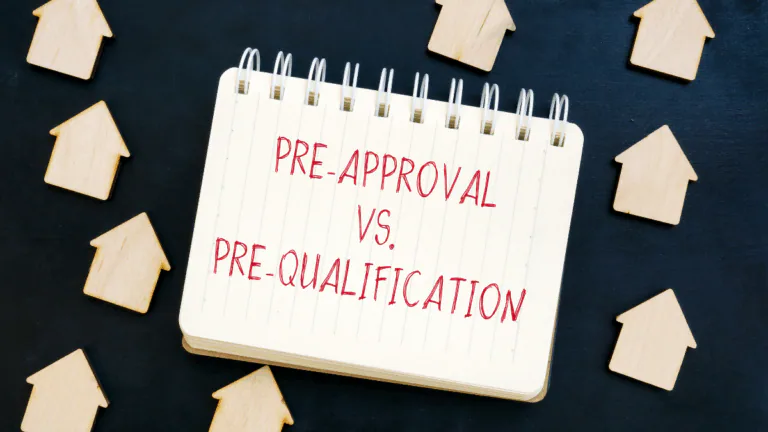
What is the difference between pre-qualification and pre-approval?

Pre-qualification is a quick estimate of what you could borrow based on what you tell us. Pre-approval is a written commitment after we have verified your income, assets and credit, and it is what sellers and Realtors want to see with an offer. Getting pre-approved with CPF does not lock you into anything.

How long does it take to close?

From a complete application to closing, most CPF purchase loans close in 15 to 20 days, and we regularly close in less when the appraisal and title work come back on time. Refinances and HELOCs often move faster. Your loan officer will give you a realistic date for your file up front.

What is mortgage insurance, and can I avoid it?

Mortgage insurance protects the lender when you put less than 20% down. On conventional loans it is called PMI and drops off once you reach 20% equity. FHA charges an upfront and a monthly premium, USDA an upfront and annual guarantee fee, and VA loans have no monthly insurance at all, only a one-time funding fee. A larger down payment, or a VA loan if you are eligible, avoids it entirely.

Is CPF Mortgage a lender or a broker?

Both, in the way that helps you. CPF is licensed as a mortgage lender and broker, so we can fund a loan directly or shop it to wholesale partners when that gets you a better rate or a program we do not hold ourselves. Underwriting, processing and closing are handled by our own team in Trinity, Florida.

Talk it through with a loan officer

Tell us what you are trying to do and we will come back with two or three programs that fit, priced with real numbers: rate, payment, cash to close and the trade-offs between them. No obligation, and no credit pull until you ask for one.

CPF Mortgage
10710 FL-54 c101
Trinity, FL 34655
(727) 226-1040

Licensed mortgage lender and broker in Florida, Tennessee, Georgia and Colorado. NMLS 222883.

Name
NEXT